
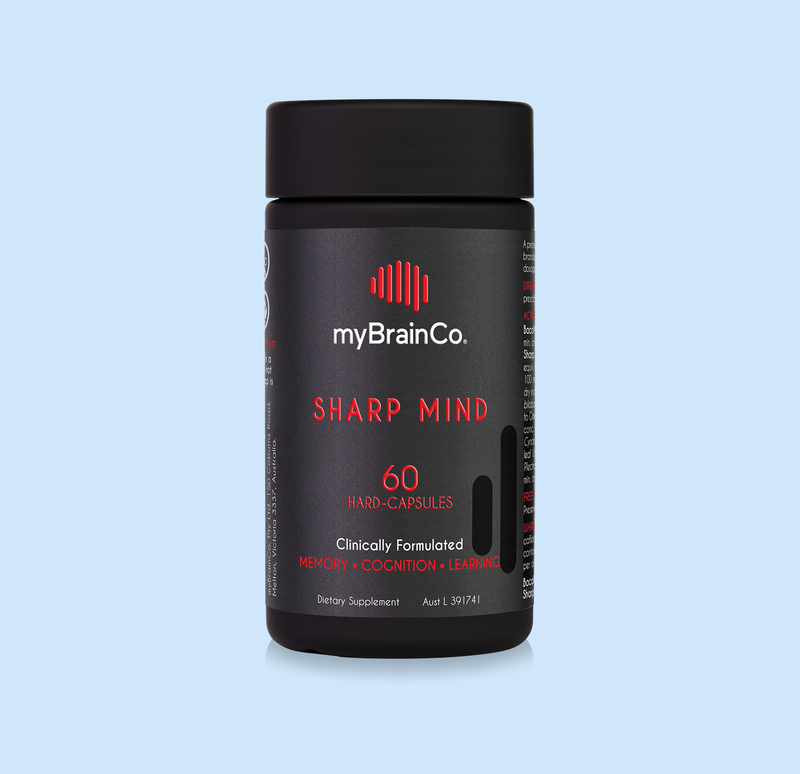
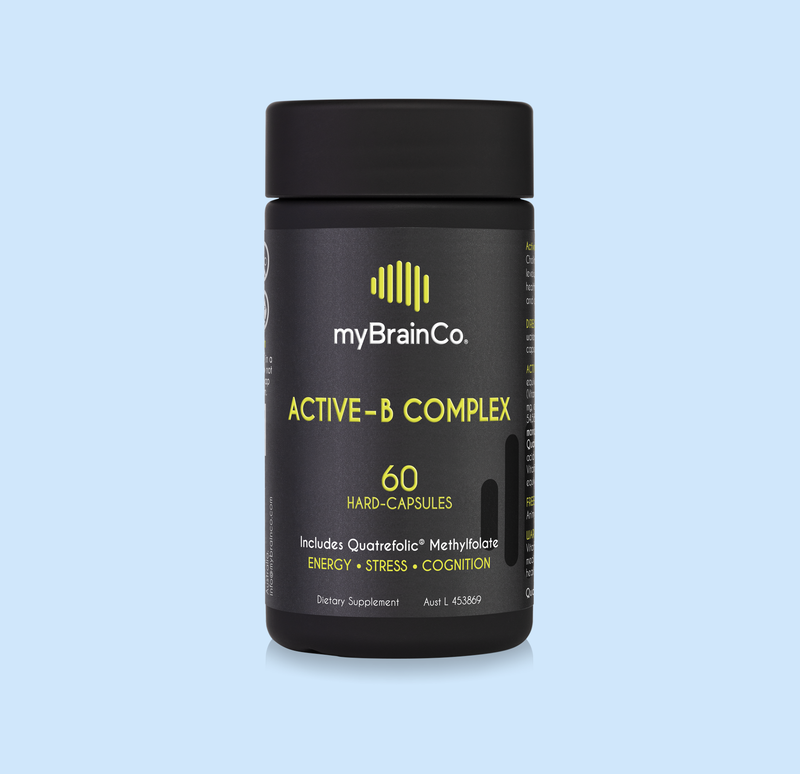



I think we can all agree that modern brains work hard.
Even on a normal day, our brain is managing mental load, deadlines, screen exposure, disrupted sleep, blood sugar fluctuations, environmental toxins, inflammatory stress and constant decision-making. While our brain represents only around 2% of body weight, it uses roughly 20% of our body’s daily energy output. That demand makes it especially vulnerable when energy production dips or oxidative stress builds.
Over time, that pressure really matters.
What's emerging from the research is that cognitive resilience depends not only on neurotransmitters or stimulation, but also on how well our brain maintains cellular energy and protects its own antioxidant systems. When those internal defence pathways become depleted, particularly glutathione (GSH), superoxide dismutase (SOD) and catalase, our neurons can become more vulnerable to fatigue, inflammation and age-related decline.
This is part of what makes Panax ginseng and Guarana such a compelling combination for cognitive support.
Both have been traditionally valued for energy and stamina, yet modern research shows their effects extend well beyond short-term alertness. Alongside supporting focus and mental performance, they interact with pathways involved in stress adaptation, metabolic function and the endogenous antioxidant systems that help protect brain cells under pressure.
Panax ginseng: a hard-working herbal nootropic
Panax ginseng, also often referred to as Korean Ginseng, has a long history of traditional use as an all-round tonic. Modern research has only deepened the evidence supporting its relevance to cognitive health.
Its active compounds, ginsenosides, appear to influence multiple pathways linked with mental performance: neuroinflammation, mitochondrial function, blood flow, glucose handling and oxidative stress.
That broad activity matters, because the brain is highly sensitive to metabolic instability. Blood sugar spikes and crashes, runaway inflammation, and poor energy output all affect how clearly we think.
A 2021 systematic review published in Journal of Ginseng Research suggested that Panax ginseng can help regulate antioxidant pathways, including those important endogenous systems the brain uses for protection, glutathione, catalase and SOD. Furthermore, it does so whilst also reducing markers of oxidative damage.
A 2011 placebo-controlled human trial, it was reported that four weeks of Panax ginseng supplementation significantly reduced reactive oxygen species and improved total glutathione status.
These findings align with earlier laboratory work, which demonstrated that panaxadiol ginsenosides increased gene expression of both Cu/Zn-superoxide dismutase and catalase, two of the most important frontline antioxidant enzymes the brain depends on to neutralise oxidative stress.
Panax ginseng also has well-documented anti-inflammatory activity, including modulation of NF-κB and inflammatory cytokines. This is likely one of the reasons it may help support a healthier brain environment, particularly given the growing recognition of inflammation as a contributor to cognitive fatigue and long-term neurological change.
Guarana: look beyond caffeine
Often, the only thing people recall about Guarana is that it naturally contains caffeine. And in many ways, its reputation has been somewhat tarnished through association with energy drinks. However, in these products, effects such as jitteriness or nausea are more likely driven by multi-stimulant formulations rather than guaraná on its own.
This reductionist view actually misses much of the story behind why it was so revered as an indigenous medicinal plant.
Yes, Guarana naturally contains caffeine, but importantly, it also has meaningful amounts of catechin, epicatechin and procyanidins, polyphenols we know are most commonly associated with green tea and cacao. Guarana is considered one of the richer natural plant-based sources of these flavanols, which are highly associated with vascular health benefits.
In a human trial, 3 grams of Guarana daily for 15 days increased antioxidant capacity, improved catalase and glutathione peroxidase activity, and reduced oxidative damage to LDL and DNA. Researchers also noted that antioxidant enzyme activity remained elevated even in the absence of circulating catechins, pointing to Guarana’s ability to support the body’s long-term antioxidant defence pathways.
Preclinical research has also shown Guarana extracts activate antioxidant and protein-protection pathways linked with healthy ageing and neurological resilience.
This matters because catechin and epicatechin don’t simply “act as antioxidants” in the direct scavenging sense. They appear to help regulate the body’s own antioxidant signalling, encouraging cells to better maintain internal defence systems under stress.
That distinction is important.
A compound that helps the body preserve glutathione or upregulate antioxidant enzymes may support resilience more meaningfully than a short-lived antioxidant donation alone.
Guarana also conveys cognitive support through another route: mental energy.
Its methylxanthines can support alertness and attention, but the naturally occurring polyphenols may help shape how that stimulation feels, often described by consumers as “cleaner” or “steadier” than caffeine in isolation.
Why the combination works
Panax ginseng and Guarana work well together because they act on different aspects of brain performance, while still converging on shared outcomes like focus, energy and resilience.
Guarana supports alertness, mental stamina and antioxidant signalling through caffeine plus flavanols.
Panax ginseng supports stress adaptation, mitochondrial resilience, metabolic stability, and regulation of inflammation.
Together, they touch several core drivers of brain performance:
-
Mental energy and focus
-
Stress resilience
-
Healthy blood flow and metabolic function
-
Inflammatory balance
-
Protection of endogenous antioxidant systems including GSH, SOD and catalase
That combination makes sense not just for productivity, but for long-term brain resilience.
The brain performs best when it can generate energy efficiently and protect itself from the wear and tear of everyday oxidative stress.
Panax ginseng and Guarana help support both.
REFERENCES
Park HJ, et al. Ginseng in traditional herbal prescriptions. J Ginseng Res. 2012 Jul;36(3):225-41.
Park SK, et al. The antioxidant activities of Korean Red Ginseng (Panax ginseng) and ginsenosides: A systemic review through in vivo and clinical trials. J Ginseng Res. 2021 Jan;45(1):41-47.
Kim HG, et al. Antioxidant effects of Panax ginseng C.A. Meyer in healthy subjects: a randomized, placebo-controlled clinical trial. Food Chem Toxicol. 2011 Sep;49(9):2229-35.
Chang MS, et al. Transcriptional activation of Cu/Zn superoxide dismutase and catalase genes by panaxadiol ginsenosides extracted from Panax ginseng. Phytother Res. 1999 Dec;13(8):641-4.
Kim JH, et al. Role of ginsenosides, the main active components of Panax ginseng, in inflammatory responses and diseases. J Ginseng Res. 2017 Oct;41(4):435-443.
Godos J, et al. Flavan-3-ols and Vascular Health: Clinical Evidence and Mechanisms of Action. Nutrients. 2024 Jul 30;16(15):2471.
Yonekura L, et al. Bioavailability of catechins from guaraná (Paullinia cupana) and its effect on antioxidant enzymes and other oxidative stress markers in healthy human subjects. Food Funct. 2016 Jul 13;7(7):2970-8.
Boasquívis PF, et al. Guarana (Paullinia cupana) Extract Protects Caenorhabditis elegans Models for Alzheimer Disease and Huntington Disease through Activation of Antioxidant and Protein Degradation Pathways. Oxid Med Cell Longev. 2018 Jul 4;2018:9241308.
Gurney T, et al. Cognitive effects of guarana supplementation with maximal intensity cycling. Br J Nutr. 2023 Jul 28;130(2):253-260.