



Chat to virtually any adult and they’re likely to tell you they’ve been experiencing some kind of brain fog at some point.
So much so that having a foggy mind is starting to become an expected aspect of adult life and just par for the course.
And whilst to some degree that might be true, it can be worthwhile to take a step back and consider if there are some underlying factors that could be addressed to help us better meet the cognitive demands of ‘adulting’.
What is Brain Fog?
Brain fog is by no means a medical diagnosis in and of itself, but rather likely a sign or symptom of something else going on.
The body is a clever piece of machinery and these symptoms are like a trail of breadcrumbs that need to be followed in order to get to the bottom of the issue. There are a range of reasons why you might be experiencing a foggy mind, ranging from simply having too much on your plate, to nutrient deficiencies or medication effects, to inflammatory or immunological diseases, hormonal changes, post-viral fatigue and much more.
People who are experiencing brain fog may all report different ways in which it’s impacting them personally, this can include;
- feeling vague or forgetful & struggling to stay on task.
- feeling mentally overloaded, even first thing in the morning after a full night’s sleep!
- becoming easily distracted, or having a tendency to procrastinate.
- struggling to recall information, events or even why you walked into the next room!
It can be especially distressing when it’s affecting your work productivity or your ability to be present with your friends and family. Sometimes brain fog can also go hand in hand with anxiety as we compound the stress of not being able to get through our mental to-do list and the fear of letting people down.
Nootropics for Brain Fog Support
There is no specific medical therapy or prescription medicine that treats ‘brain fog’, so this is somewhere that herbal medicine and nutrients can really shine to support wellbeing.
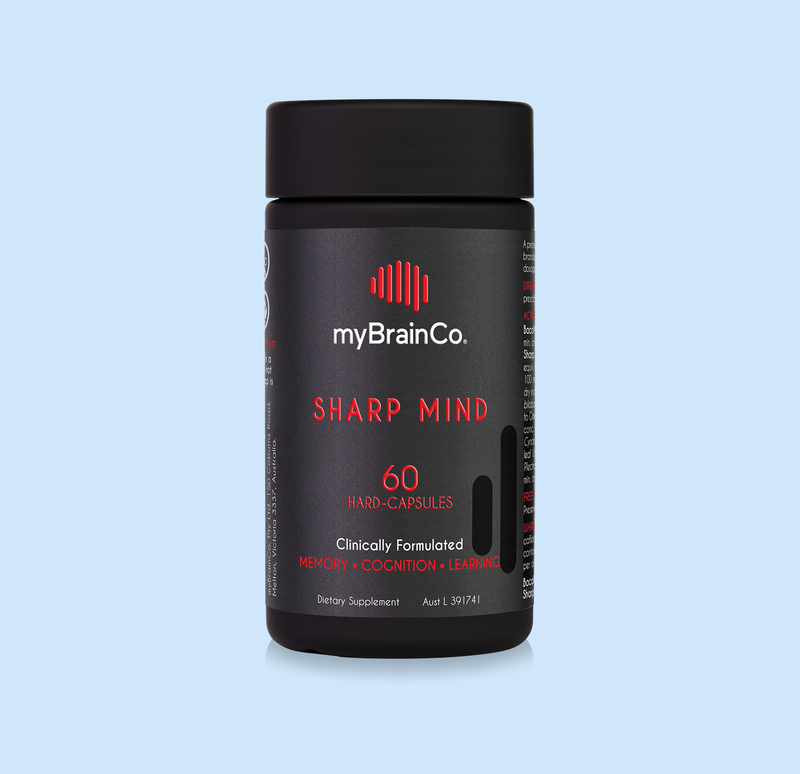
Cognitive-supporting herbal medicines, known as ‘nootropics’, are a category of herbal medicines, nutrients, and other compounds that can be used to support clarity, memory and focus.
Many nootropics work via multiple mechanisms of action to support a foggy mind to bring about improvements in mental clarity, task completion, memory recall and resilience to stress. Nootropics achieve these actions through a range of actions, such as their influence on neuroinflammation, the stress response, neurotransmitter (mood chemicals) production, brain and nervous system energy and circulation, antioxidant effects and memory-enhancing factors like BDNF or acetylcholine.
Possibly one of the most well-known nootropic herbal medicines would have to be Bacopa monnieri, also known as Brahmi. Bacopa has been used for over a thousand years in Ayurvedic medicine as a cognitive aid and memory enhancer. Bacopa appears to exert its brain and nervous system actions through modulating pathways associated with mood and cognition, as well as supporting important pathways for antioxidant production. The brain is particularly susceptible to free radicals due to its high concentration of iron and lipids, which can be targets for oxidation, and this may account for why the brain can become foggy when under chronic stress or exposure conditions (such as cigarette smoke, for instance).[1]
In traditional Chinese medicine, they too have a revered herbal medicine that has been used for centuries for its cognitive-enhancing properties. Gingko biloba has a reputation for its memory-enhancing effects and is often employed by herbalists to support circulatory function (including tinnitus, vertigo, auditory health and even altitude sickness)[2]. More recent research has even explored it's benefits for helping to preserve the important neurotransmitter, acetylcholine. Acetylcholine is an important target for many cognitive-enhancing nootropics due to its role as the main neurotransmitter in the peripheral, autonomic, and enteric nervous systems. Low levels of acetylcholine have been associated with memory loss, making drugs and natural agents that can help bolster production highly sought after. [2,3,4]
Phosphatidylserine (PS) is another popular nootropic substance that has also been shown to regulate a variety of neuroendocrine responses – including acetylcholine – but also influences dopamine and noradrenaline. PS contributes to a clearer thinking mind by supporting nourishment to cell membranes, as well as scavenging free radicals, influencing mood pathways, and may also help the body’s response to stress by downregulating the undesirable effects of acute cortisol production.[5,6]
Many nootropics have actions outside of their direct brain and nervous system effects that still benefit overall cognitive health. For example, acetyl-l-carnitine plays an important role in liberating free fatty acids to be used as a fuel by mitochondria to produce energy.[7] Fatigue is a major clinical feature of brain fog, so keeping mitochondria fueled and protecting them from free radical damage to keep them healthy and functional are also important attributes of nootropic agents.
Antioxidant activity is important for protecting neurons, but also for the protection of the important cellular functions mitochondria carry out in meeting the energy needs of the body, particularly the brain, which demands 20% of the body’s energy supply!
Who Can Benefit From Nootropics?
There can sometimes be a perception that cognitive enhancement is only useful for the elderly, to prevent further deterioration of the mind or, at the other end of the spectrum, that it’s only for those executives in pursuit of the kind of productivity portrayed in the movie Limitless, however virtually anyone could benefit from the many actions nootropic agents can induce.
Whether you’re a stressed executive, a parent with a never-ending to-do list, a student cramming for your next exam, an insomniac or someone simply trying to be more productive on a daily basis, nootropics and their unique actions have something to offer. They can help us to feel like we’re more on top of things, whilst also making us feel more alert, less grumpy, more energetic and focused to get on with everyday demands.
REFERENCES
Aguiar S, et al. Neuropharmacological review of the nootropic herb Bacopa monnieri. Rejuvenation Res. 2013 Aug;16(4):313-26.
Braun L, Cohen M. Herbs and Natural Supplements, An evidence-based guide. 2nd ed. Elsevier. 2008.
Gold PE, et al. Ginkgo biloba: A Cognitive Enhancer? Psychological Science in the Public Interest. 2002;3(1):2–11.
Colucci L, et al. Effectiveness of nootropic drugs with cholinergic activity in treatment of cognitive deficit: a review. J Exp Pharmacol. 2012 Dec 11;4:163-72.
Kingsley M. Effects of phosphatidylserine supplementation on exercising humans. Sports Med. 2006;36(8):657-69.
Monteleone P, et al. Effects of phosphatidylserine on the neuroendocrine response to physical stress in humans. Neuroendocrinology. 1990 Sep;52(3):243-8.
Pennisi M, et al. Acetyl-L-Carnitine in Dementia and Other Cognitive Disorders: A Critical Update. Nutrients. 2020 May 12;12(5):1389.